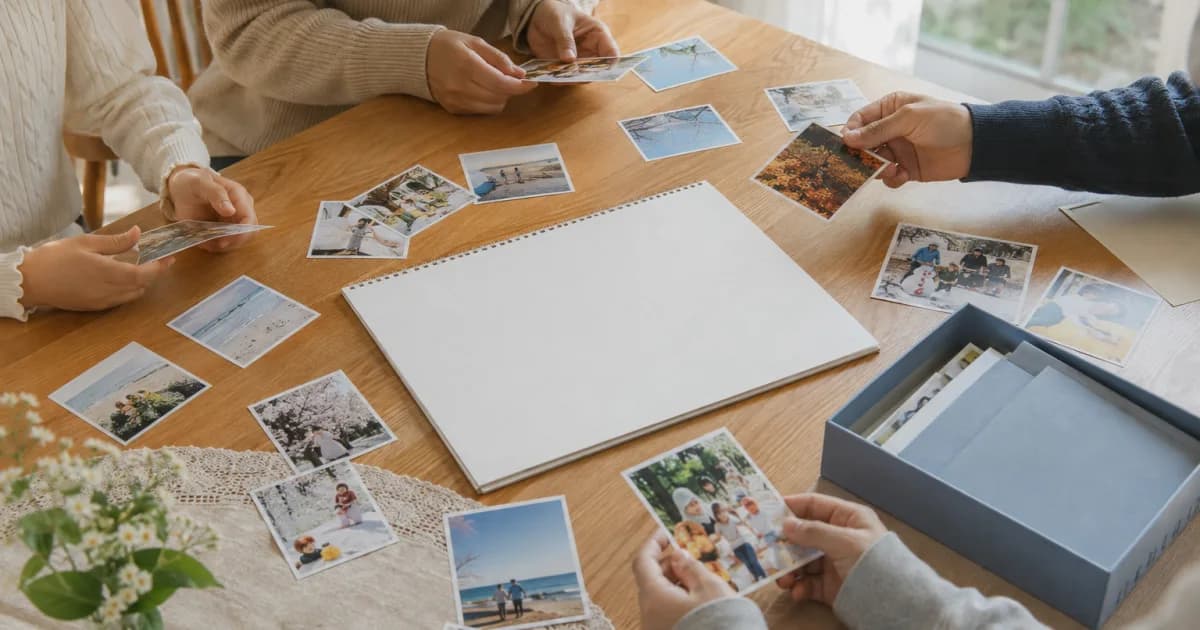
Choose the story you want to keep first
Concert tickets, travel postcards, and exhibition cards may be small, but they hold different memories. Instead of emptying an entire box, choose one experience to revisit today. Deciding whether the focus is the final concert scene or the shop where you chose a postcard clarifies what to photograph.
You need not give every souvenir from an event equal space. One ticket showing the event name with your impressions may be enough. Treat the choice of what to include in the diary separately from how many physical items to keep.
Photograph the whole object and useful details
First photograph the entire item, then move closer if its text or artwork matters. A postcard's image and message serve different purposes. Decide whether both are needed, and omit sides showing addresses or private messages from shared entries.
Open the photo and check that the important clues are readable. Glare on tickets or folds in leaflets can hide details that seemed fine on a small screen. If an item could be damaged, do not force it flat or detach stuck parts; record what is currently visible.
Separate the item's information from your experience
The printed concert name is information about the object; who went with you and why you chose it are your experience. For example: ‘Autumn concert ticket. Went with a friend to hear their favorite song. Took a long walk afterward.’ You can add context missing from the photo without copying every printed word.
Distinguish when you acquired the item from when you organized the record. For an uncertain date, try ‘Bought on a summer trip; exact date unknown. Taken out of the drawer and recorded today.’ Do not assume a postcard's printed year is the year you visited.
Leave clues that lead back to the physical item
If you keep the original, note a location you can find later, such as ‘memory box, concert envelope.’ Update the note when it moves, but do not list a planned location as its current one before actually moving it.
Item: describe the event or artwork to distinguish similar objects.
Location: list the box and inner envelope in the order you would look for them.
Changes: when moving it to another album, add the confirmation date and new location.
Unconfirmed: if you cannot find the original now, do not assert that it is still in storage.
A photograph is different from preserving the original
Photos let you revisit an object's appearance. They do not preserve the feel of paper, every fold, or unreadable text. Before deciding a digital record makes the original unnecessary, consider what you value about it.
Even when decluttering, decide separately whether to discard the item. A personal memory record cannot replace an original document needed for verification or reissue. This article is not a guide to professional paper conservation; avoid aggressive treatment of precious or fragile items.
Share a copy focused on the story
Tickets and postcards may show names, seats, addresses, codes, and personal messages. Share only the surfaces needed for the memory and check the background too. Before publishing all of a friend's postcard message, discuss how much they are comfortable showing.
In Pogaem, save several object photos and a short story together by date. Review storage-location notes as private information and shared reflections as intended for others. The record has done its job if the photos recall the experience and help you find the original when needed.
Frequently asked questions
Can I throw away the ticket after photographing it?
Taking a photo and discarding the original are separate decisions. Check whether the original has sentimental value or another purpose. A photo diary does not replace all its information and functions.
Do I need to photograph both sides of a postcard?
Choose according to whether you want to remember the image, message, or both. Check addresses and private writing separately and include only necessary details in a shared record.
What date should I use if I do not know when I received it?
Record it on the day you organize it and mark the receiving date as unknown. Distinguish printed dates from the date of your own experience and preserve only clues you can verify.